 China Neodymium And Ferrite Magnets Manufacturer & Supplier



In the sound unit of headphones, magnets are one of the key components that determine sound performance. Magnets of different materials can affect sensitivity, resolution, dynamic range, and overall sound quality. With the increasing miniaturization and lightweighting of headphone structures, magnetic materials are also constantly being upgraded. Currently, the industry mainly uses three types of permanent magnet materials.
Firstly, the most widely used neodymium iron boron magnet. It is known for its small size and strong magnetic force, and is the main magnetic material for TWS Bluetooth earphones, in ear earphones, and most high-end headphones. The magnetic energy product of neodymium iron boron is much higher than that of traditional materials, so it can provide a strong magnetic field in a limited space, making headphones more sensitive, human voice clearer, and low-frequency more powerful. To improve durability, most neodymium iron boron magnets are protected by nickel plating.
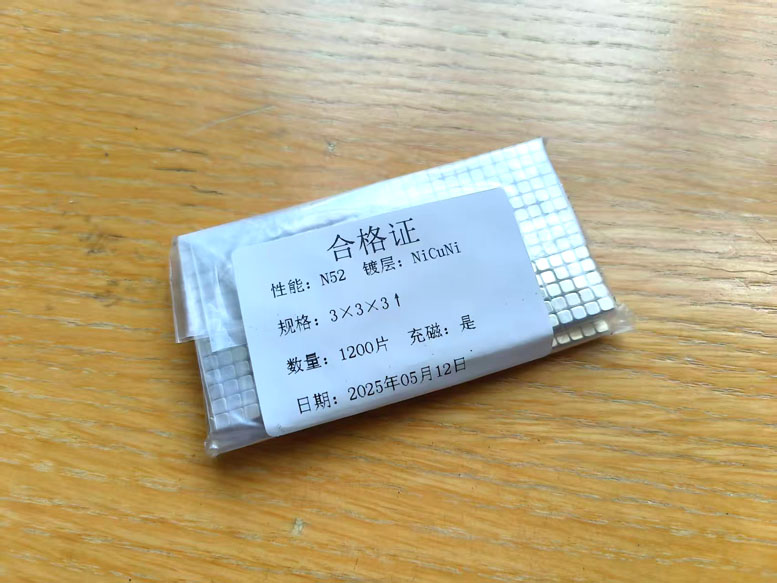
The attached image shows miniature cube magnet measuring 3x3x3mm
Next is ferrite magnets, commonly found in entry-level headphones or larger monitoring headphones. The magnetic properties of ferrite are not as good as neodymium magnets, but they are superior in terms of low price, corrosion resistance, high temperature resistance, and excellent stability. Headphones made of ferrite typically have larger unit sizes to compensate for magnetic deficiencies, resulting in a heavier overall weight. However, the sound quality can still meet general daily listening needs.
In addition, a small number of high-end professional headphones will use samarium cobalt magnets. This type of magnetic material has excellent high temperature resistance and long-term stability, is not easily demagnetized, and is very suitable for professional application environments that require extremely high sound consistency. However, the cost of samarium cobalt is high, so it is not common in consumer grade headphones and often appears in devices used for professional monitoring or special environments.
The above is about the three main magnet materials in headphones and their related introductions. The choice of headphone magnet material mainly depends on cost, volume limitations, and expected sound quality performance.
Related articles on headphone magnets;