 China Neodymium And Ferrite Magnets Manufacturer & Supplier



When it comes to wet-pressed and dry-pressed magnetic tiles, what springs to mind? That’s right—ferrites. Both wet-pressed and dry-pressed methods are common production processes for permanent magnet ferrite tiles. Some netizens have been asking about the differences between the two, so today we’ll break it down.
1. The state of the raw material during moulding differs
In the wet-pressing process, a certain proportion of water is added to the magnetic powder to form a slurry, which is then pressed; this process is usually carried out in conjunction with a magnetic field to align the particles. Dry-pressing, on the other hand, involves pressing the prepared magnetic powder directly in a relatively dry powder state. The equipment and moulds used in the two processes also differ, meaning that production costs and process control methods are not entirely the same.
2. Differences in magnetic performance
For ferrite magnets requiring higher magnetic performance, the wet-pressing process generally offers greater advantages. During wet pressing, the magnetic powder particles can align more thoroughly under the influence of a magnetic field; consequently, the resulting anisotropic ferrite magnets generally achieve higher remanence and magnetic energy product. Dry pressing can also produce anisotropic magnetic tiles; however, wet pressing is often more commonly used for products with stringent magnetic performance requirements.
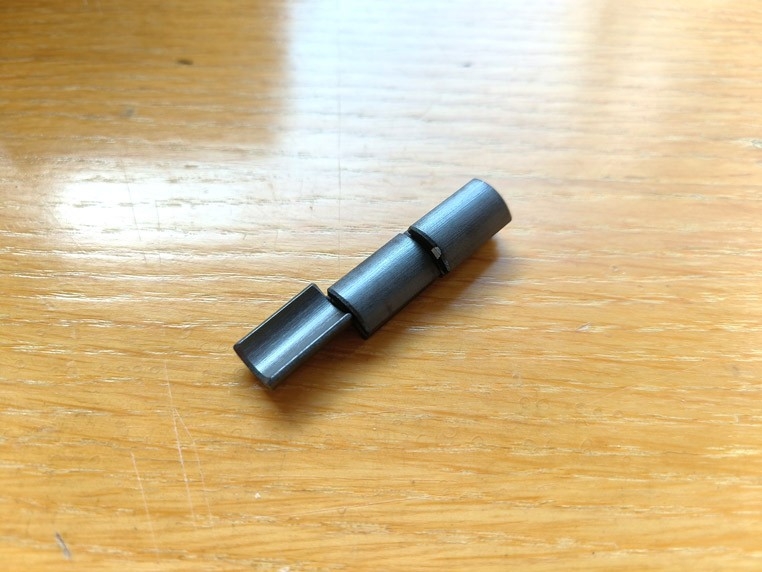
Small-sized curved ferrite magnets
3. Differences in production costs
The dry pressing process is simple, requires inexpensive equipment, offers high production efficiency and results in lower costs. Wet pressing involves additional processes such as dehydration and drying, leading to higher energy consumption and mould costs, and consequently a higher unit price.
4. Different Application Scenarios
Dry-pressed magnetic tiles are mostly used in ordinary motors, toy motors and small household appliance motors, where magnetic performance requirements are not particularly high. Wet-pressed magnetic tiles are mostly used in applications with higher magnetic performance requirements, such as automotive motors, fan motors and power tool motors.
Note: Wet pressing is not necessarily superior to dry pressing; the final performance also depends on factors such as the ferrite material formulation, magnetic orientation and sintering process.
Products mentioned in the article;