 China Neodymium And Ferrite Magnets Manufacturer & Supplier



Recently, as the Israel-Iran conflict has continued to escalate, supply chains for certain key raw materials have begun to face disruptions. One incident that has drawn significant industry attention is the explosion and subsequent complete shutdown at the Port of Abadan, a major Iranian port. As a key hub for Iran’s mineral exports and a vital channel for China’s celestite imports, this incident has had a significant impact on the permanent magnet ferrite industry chain.
Celestite is the primary raw material used in the production of strontium carbonate. Strontium carbonate, in turn, is one of the key components in the manufacture of strontium ferrite (permanent magnet ferrite). Iran is one of the world’s largest suppliers of celestite, and China relies on imports for approximately 50% of its celestite supply, with over 60% of those imports coming from Iran. Should Iran’s ore exports be disrupted, the global supply of celestite would tighten significantly, thereby directly impacting the production of strontium carbonate.
The suspension of operations at the Port of Abbas has affected approximately 70% of global celestite shipments to varying degrees. In the short term, domestic strontium carbonate manufacturers will face issues such as declining raw material inventories, extended procurement cycles, and rising raw material prices (with the market average price surging from around 8,000 yuan per ton at the beginning of the year to 15,800 yuan for industrial-grade material). As strontium carbonate supplies tighten, upward pressure on market prices is expected, and these costs will eventually be passed on to permanent magnet ferrite (sintered/injection-molded) products.
High-Quality Ferrite Ring Magnets
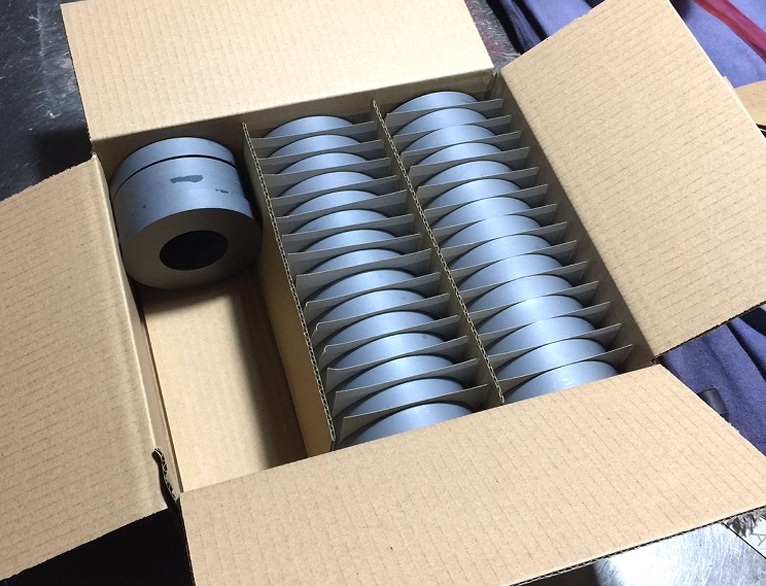
In the permanent ferrite magnet industry, strontium carbonate accounts for a significant portion of raw material costs (approximately 25%–40%). When prices of upstream raw materials fluctuate, magnet manufacturers often need to respond to these cost changes by adjusting their quotes or shortening their quotation cycles. This is particularly true for ferrite magnets used in high-volume applications such as motor rotors, home appliances, Hall effect sensors, and speakers; if strontium carbonate prices continue to rise, ferrite magnet prices will also see periodic increases.
While the Israel-Palestine conflict will not directly alter the production technology or demand structure for permanent magnet ferrites, it may drive up the cost of these materials in the short term by disrupting the supply chain—specifically, the production of celestite, strontium carbonate, and ferrite magnets. Consequently, industry experts generally recommend that relevant companies closely monitor changes in the raw materials market and develop advance inventory and procurement plans to mitigate the risks associated with raw material price fluctuations
Related ferrite magnet products;