 China Neodymium And Ferrite Magnets Manufacturer & Supplier



In modern industrial production, magnets are widely used in numerous fields, including electric motors, sensors, and MRI equipment. Magnetization is a critical process for imparting magnetic properties to magnetic materials, and its effectiveness has a direct and significant impact on magnetic performance—for example, it affects key indicators such as the uniformity of the magnetic field distribution and the clarity of the magnetic poles. So, what factors influence the effectiveness of magnetization?
Here are 6 factors that affect the magnetization effect of magnets
1. Magnetization Methods
Different magnetization methods (such as direct current magnetization and pulse magnetization) have varying effects on the magnetization results. Selecting the appropriate magnetization method is crucial for achieving optimal results.
2. Magnetization Parameters
Parameters such as current, voltage, duration, intensity, and coil diameter during the magnetization process also affect the magnetization results. These parameters must be precisely controlled based on factors such as the magnet’s material, shape, size, and the required magnetic flux density.
3. Magnet Material
The inherent properties and size of the magnetic material directly influence the magnetization results. Materials with superior properties and magnets of appropriate size are more likely to achieve ideal magnetization results.
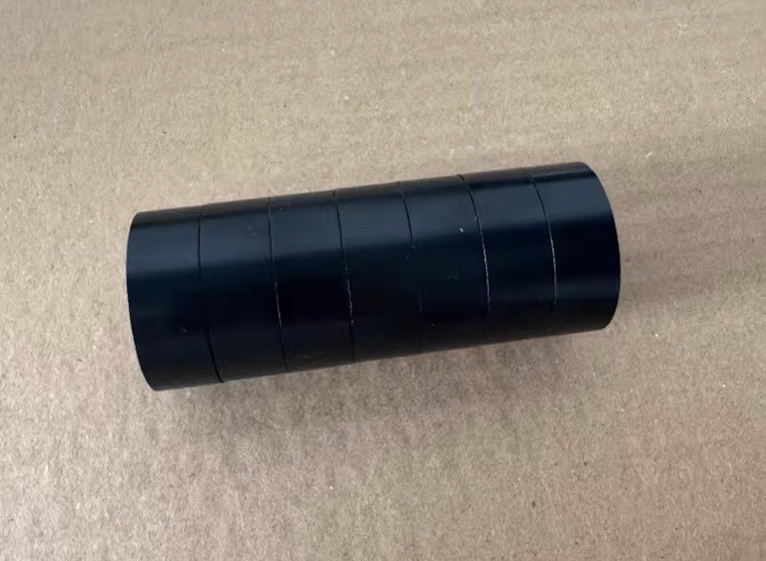
The accompanying image shows bonded neodymium magnet ring
4. Environmental Factors
Factors such as strong magnetic fields, temperature, and humidity also have a certain impact on magnetization results.
5. Magnetization Equipment
The performance and quality of magnetization equipment also affect magnetization results. Sufficient magnetization energy, magnetization heads suited to the application, and high-quality equipment can provide a more stable and precise magnetization process, thereby achieving better results.
6. Magnetization Operations and Techniques
① Correct positioning and orientation of the material. ② Control of the gap between the rotor and the magnetizing coil. ③ Accuracy of the magnetic field generated by the magnetizing coil and the manufacturing quality of the coil. ④ Whether cooling measures are adequate, among other factors.
The above is the entire content of the article. Our company supports ordinary axial magnetization, radial magnetization, and multipole magnetization of various permanent magnet materials.
Similar problem articles;
Is there relationship between magnetization saturation and magnetization voltage?