 China Neodymium And Ferrite Magnets Manufacturer & Supplier



Plastic magnets (injection molded magnets) are a new type of magnetic material that possesses advantages not found in traditional magnetic materials, such as easy plastic processing, good corrosion resistance, and the ability to produce complex shapes. So, can they replace traditional magnetic materials?
Whether injection molded magnets can replace traditional magnetic materials is not a blanket answer. From the perspective of material essence, plastic magnets are produced by compounding magnetic powder with a plastic matrix and then forming through injection molding. Their magnetic properties have a certain gap compared to sintered neodymium-iron-boron or sintered ferrite. Therefore, in applications where high magnetic flux density and output torque are required, plastic magnets cannot replace traditional magnets.
Plastic Ferrite Rotor Magnet
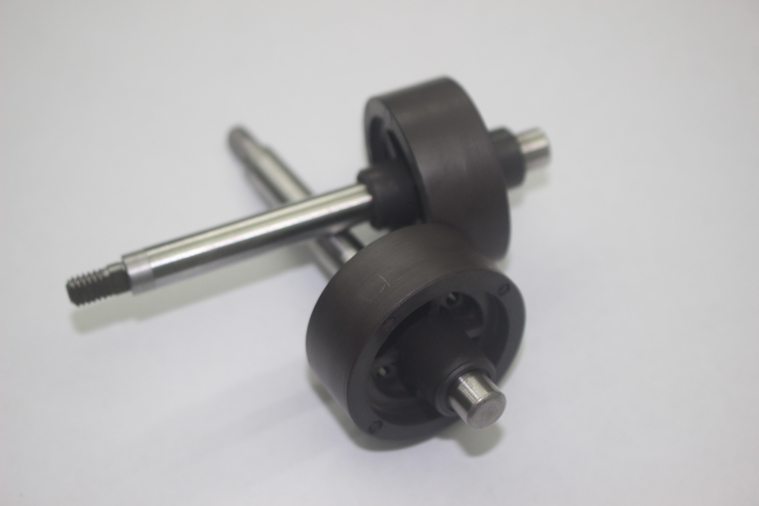
In terms of structural design, plastic-magnetic composites offer distinct advantages. They allow for the one-step molding of complex structures, enabling the integrated molding of magnets with plastic and metal components—a level of design flexibility that is difficult to achieve with traditional sintered magnets. In applications such as encoders and sensors, where space and structural requirements are stringent, plastic-magnetic composites are actually more competitive.
In terms of reliability and performance, plastic-bonded magnets are also impact-resistant and less prone to breakage, offering greater stability in environments subject to vibration or drops. Additionally, their high dimensional consistency makes them suitable for high-volume automated production, which helps ensure product uniformity and reduce overall manufacturing costs—a key reason for their rapid adoption in consumer electronics and small motors.
In high-temperature environments or high-performance drive systems, the limitations of injection-molded magnets remain evident. For example, applications such as drive motors for new energy vehicles and high-end servo systems demand extremely high magnetic performance and temperature resistance; in such scenarios, traditional high-performance magnets like sintered neodymium-iron-boron are still relied upon and remain difficult to replace.
Overall, injection-molded magnets function more as a “complementary material” rather than a “complete replacement.” In applications where structural complexity, lightweight design, and cost control are prioritized, they can effectively replace certain traditional magnets. However, in fields with stringent requirements for high magnetic performance and high-temperature stability, traditional sintered magnets remain indispensable.
More articles about injection molded magnets;
Top 6 FAQs from Injection Molded Magnet Customers
Injection molded ferrite vs injection molded neodymium magnets