 China Neodymium And Ferrite Magnets Manufacturer & Supplier



In recent years, global attention on rare earth elements and rare earth magnets—such as neodymium iron boron magnets—has significantly intensified. This surge stems primarily from the critical role these materials play in new energy vehicles, electric motors, wind power generation, and electronic products. Many professionals in the magnet industry are now wondering: Has the magnet export policy for 2026 been relaxed?
Based on official statements, China has not imposed comprehensive restrictions on rare earth magnet exports. Instead, the focus remains on promoting compliant trade while ensuring national security and industrial chain stability. At a routine press conference in late 2025, the Ministry of Commerce stated that China would “actively promote and facilitate compliant trade,” indicating that rare earth magnets can still be exported normally as long as they meet regulatory requirements.
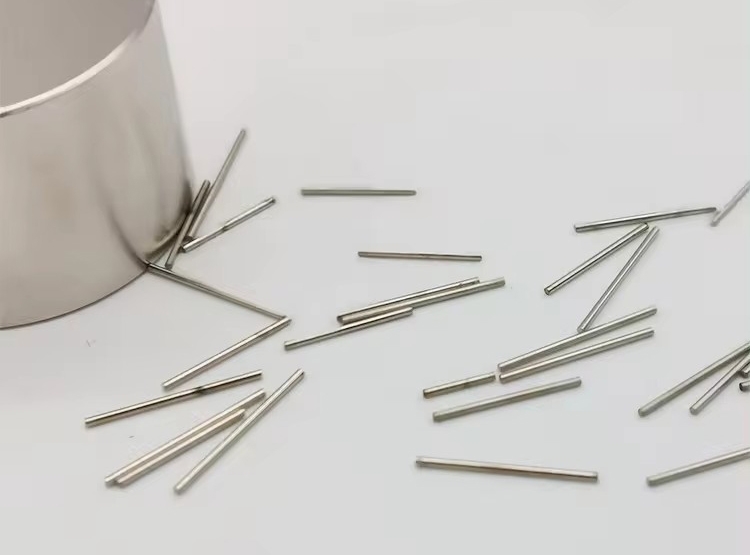
Illustration: Rare Earth Cylindrical Magnets
These regulations include:
Enterprises must possess legitimate export qualifications
Export licenses must be obtained for controlled rare earth elements
Documentation of end-users and intended applications must be provided
Exports must not involve military or sensitive applications
Therefore, magnet exports have not been fully liberalized at present, but have instead entered a phase of permit-based management coupled with partial policy relaxation. For magnet manufacturers, as long as procedures are compliant and customer applications are clearly defined, export operations can still proceed normally. However, overall oversight will be stricter than in the past.
Related magnet export developments;
Are N35 magnets subject to export controls?
China's three rounds of rare earth export control measures and their impacts