 China Neodymium And Ferrite Magnets Manufacturer & Supplier



Magnets can be magnetised in numerous ways, many of which have been covered in previous articles. Today's piece explores a method unfamiliar to many and seldom encountered: multi-pole oblique magnetisation (or skew magnetisation). This includes its definition, a magnetisation schematic, and the advantages of employing this technique.
Multi-pole oblique magnetisation refers to the process where, during multi-pole magnetisation of magnetic rings or rectangular magnetic blocks, the magnetic poles are not magnetised radially in a perpendicular orientation but instead at a specific oblique angle, such as 30° or 45°. In essence, it combines multi-pole magnetisation with an oblique arrangement of each magnetic pole—typically at a right angle—thereby generating a smoother magnetic field.
The attached image shows a right-handed 45° magnetized ring magnet
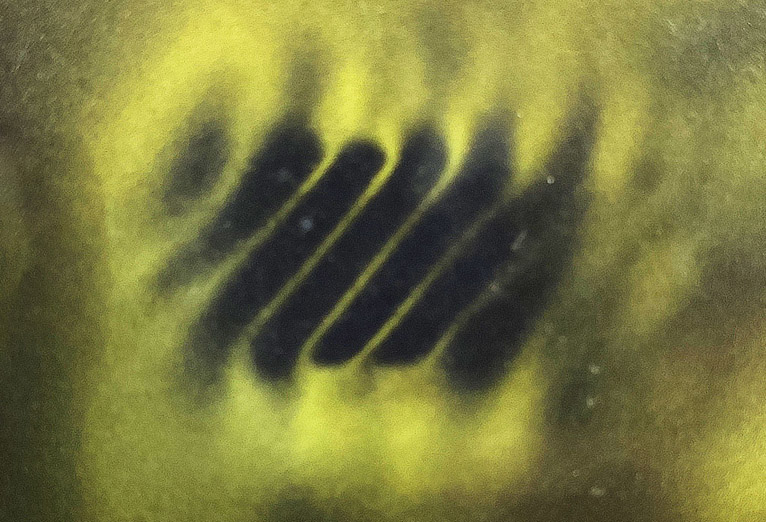
Compared to conventional vertical multi-pole magnetisation, the skewed-pole configuration enables a smoother magnetic field distribution, facilitating a more natural magnetic transition between adjacent poles. This magnetic structure is particularly well-suited for brushless motors requiring stable operation, as it significantly reduces cogging effects and enhances torque continuity.
Typical applications of multi-pole skew magnetisation include permanent magnet brushless DC motors (BLDC) and permanent magnet synchronous motors (PMSM), such as drive motors for new energy vehicles, motors for household appliances, and precision motors for medical equipment.
The above provides a primary overview of multi-pole skew-magnetisation. Both ferrite and neodymium iron boron materials can achieve this multi-pole skew-magnetisation. Should your project require such magnetised permanent magnets, please do not hesitate to contact us.
Magnetised samples with an oblique magnetic orientation;
Right oblique orientation 8° magnetized hollow cylinder magnet 4 poles
Ceramic ferrite blocks magnetized at tilt oblique angles Y10